
Well, Almost. This is going to be the story of how I almost caught a charge of breaking and entering within the first few hours of stepping onto Japanese soil & one of my most valuable lesson when it comes to travelling.
When travelling, I think being well educated about things is important, but even more so, it is extremely important to be able to drop all of your presumptions and assumptions about even the most basic ideas of how the world works at a moment’s notice.
I am telling you all this dear friends, because you may go to a new place, and you’ve done your best to learn all sorts of manners and etiquette, and when you get there, still end up utter lost and confused, finding out that things like even the concept of a street being named and numbered in a straight line are not in fact a universal concept and you very much almost just committed a crime because you are a presumptuous tourist.
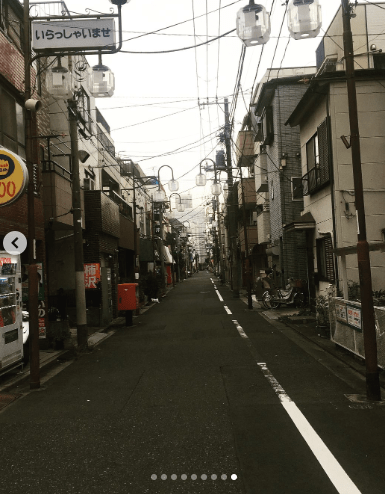
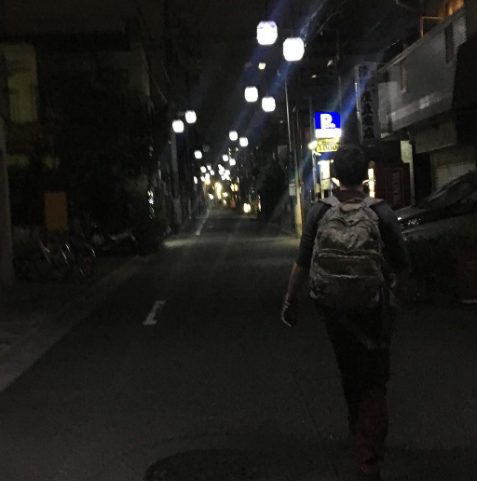
This is the exact situation Steve and I found ourselves in one night, in a small town called Ojima, located just a short train ride east of the metro Tokyo area. We were exhausted, it was about 11pm and the streets were mostly quiet, save for one or two izakayas lighting up the side walks here and there, each with a few chattering patrons nursing their last beers & bowls of soba.
Our trip to Japan was harrowing, a story for another day, and we couldn’t wait to find our beds. We had the address. The photo looked different, and when we attempted to try the combination lock tat was supposed to open a box with a key to apartment, it didn’t work. We were hesitant to call our host because of the late hour, and so we kept trying different ways to open the box, thinking maybe we were just putting in the combo wrong or that Japanese locks opened differently than American ones.
I could see the key inside, and with resourcefulness that would have put MacGyver to shame, I managed to get the key out of the box. However, it didn’t open the door to the house.
Steve and I began panicking. Were we at the wrong house? Is this the wrong apartment? We were so sure the street number was correct, but the numbers jumped from one side of the street to the other, and we could not locate many signs. We slid the key back into its box and, holding our breath, we scurried downstairs, thanking all the lucky stars that the key did not work. If that was really not our rental, we could have broken into some poor sleeping people’s apartment. We also hoped we hadn’t already woken them with the jiggling door knob.
As we completed our descent down the stairs, a large tuxedo cat crossed our paths with a jingle from its collar. A lazy, “mrrreow” walked into view and was quickly followed by a very small Japanese woman, who also wore bells that jingled like the cat’s.
I had spent a lot of time learning manners, but unfortunately, despite my best efforts, I had only a few months to prep for this trip, and the only things I had managed to learn how to say in Japanese were “Hello,” “Thank you,” “Excuse me!,” “Good Morning,” “Good Evening,” “Please,” “Help me,” “Water,” “Can I have a kiss?,” and “My head hurts.” I thought these were all extremely useful phrases but not too much assistance in this situation beyond flagging this woman down for help. Steve and I tried our translating app, and she insisted on trying to lead us around back to the street behind the one we were currently on. We were also then joined by a young man in a suit, armed with his phone that had better service than ours, who punched in our host’s number and talked to them for us.
I’m not sure when I started crying, but I’m sure I must have at that point. I had been in this country for three hours, and already, two strangers in the middle of the night had dropped what they were doing just to help us. That is a pretty good summary of my experience with the people of Japan for the most part. I cannot express enough to all my fellow travelers, even learning a few words of how to be polite in the native language when you are traveling can really go a long way.
It turns out in Japan, the way streets are organized is completely different. They do not have numbers going down straight and across in a grid system like many places I’m used to in the west. Their addresses are organized into smaller towns, then districts or neighborhoods, then blocks are numbered and houses are numbered on the blocks.
Our apartment ended up being on the completely opposite side of the block, and our stubbornness in thinking we knew how to read an address correctly almost ended up with us breaking into our new neighbor’s house.
I wish in that moment I had known more Japanese to better express my gratitude for that salaryman and older woman for helping Steve and me. Maybe someday this post will be famous in Japan, and one of them will see it.
So, dear travelers, always learn your manners, and remember, make sure you keep your mind open to new ideas and concepts, even basic things you may not have considered might be different somewhere else or that you might have had presumptions about, like learning how to read an address. It could save you from catching a B&E charge!
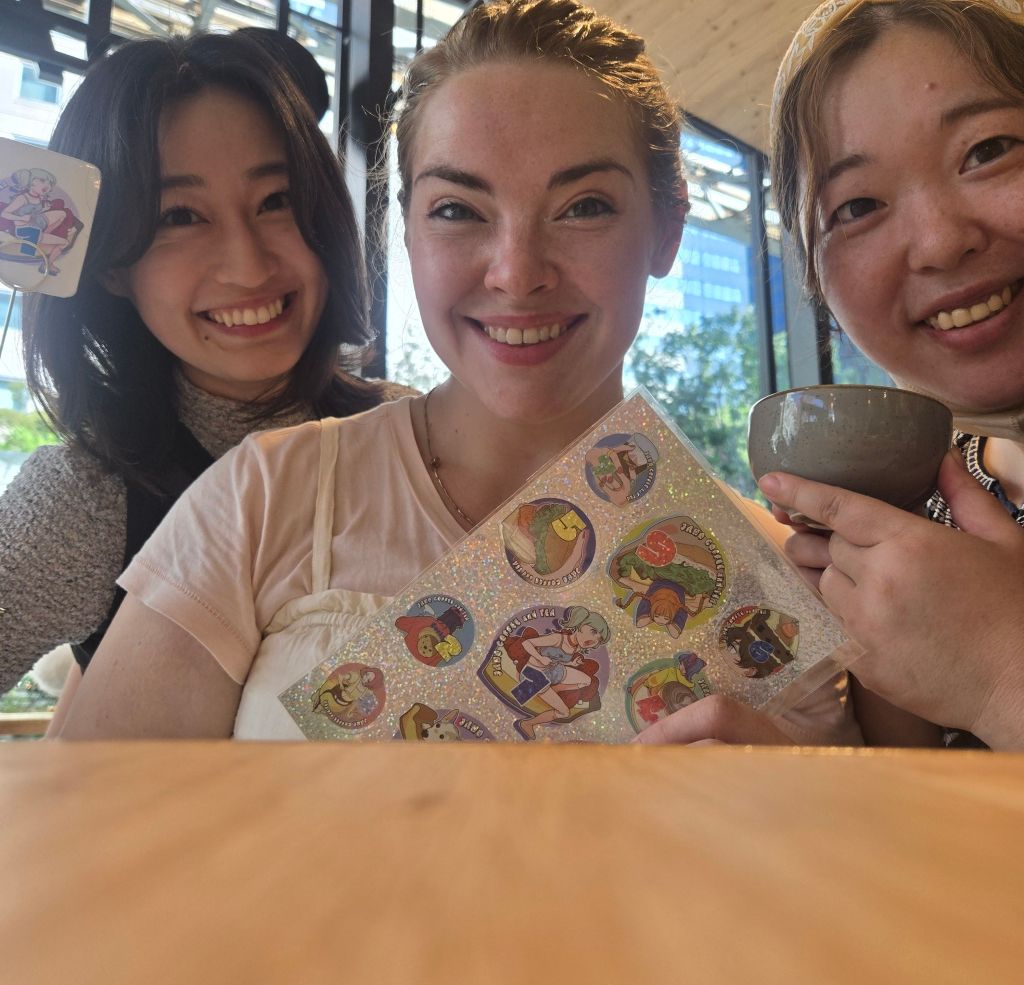
Ojima, located in the city of Koto-ku, was a little bit far from central Tokyo, but if any of you are looking for a more laid-back locale to stay in while you are visiting, I highly recommend it! There were plenty of cute cafes and places to eat, and the neighbors, as I mentioned, are so kind!




 Planetary Anecdotes
Leave a comment