
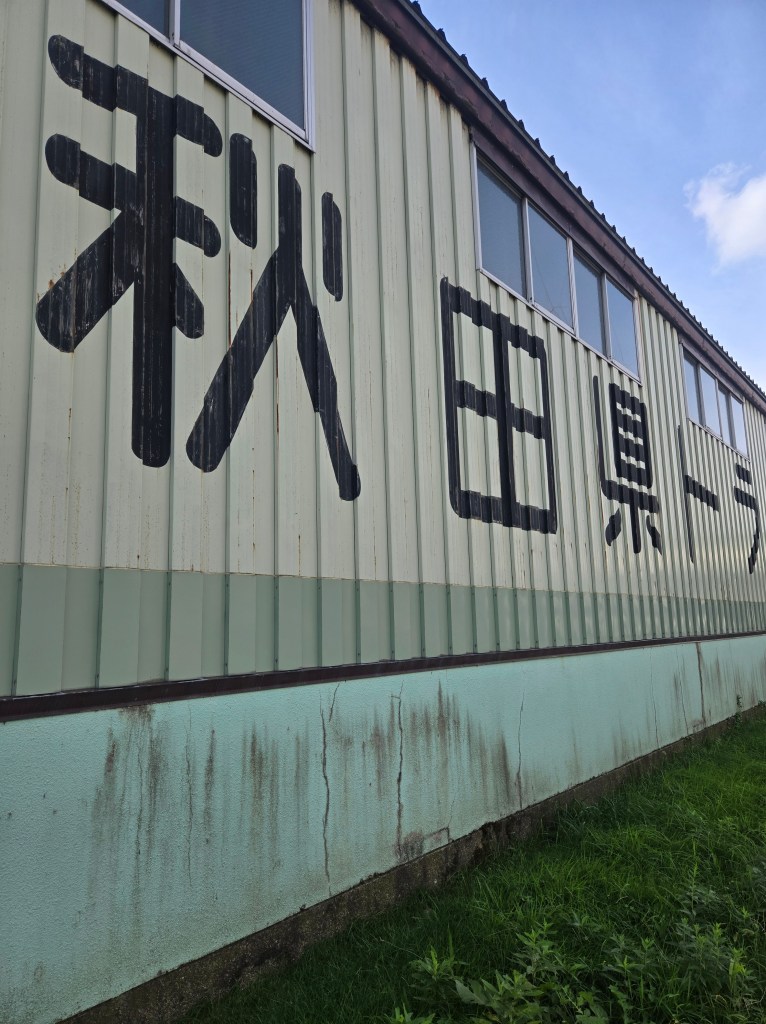
It was my first trip to the prefecture of Akita, in Japan. The evening dimmed on the countryside flashing, the winter weather my travel companion Cuong & I had been attempting to outrun most of our December travels. We had brought extra layers and jackets with us on the plane from Vietnam, ready for at least a few blustery winter days in Japan but Osaka had been warm, even steamy at times, as we drank and mingled on the streets, warmed by the heat of street food delicacies and bowls of ramen.
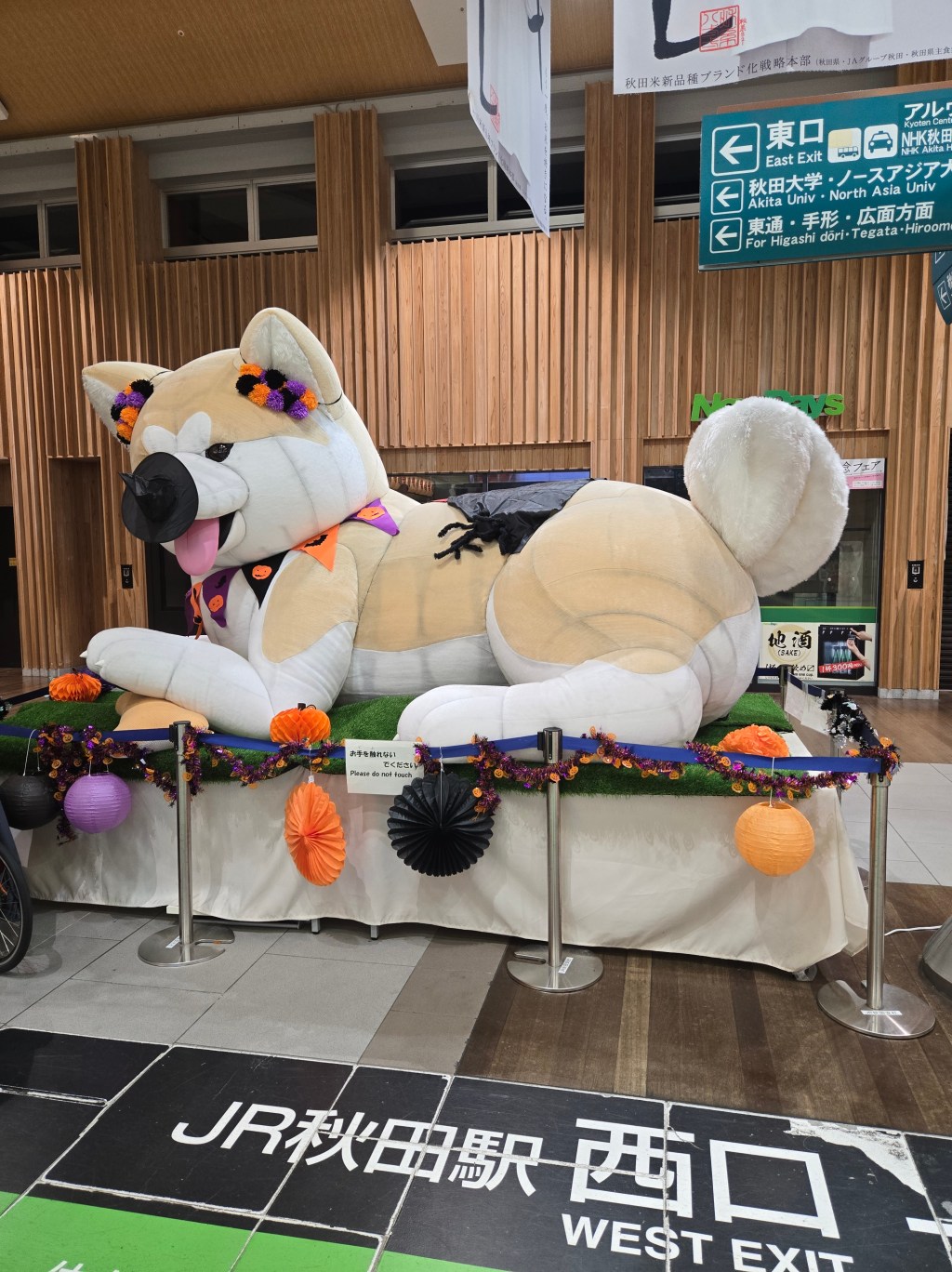
We passed bits of snow piles and more rustic countryside before finally arriving at Akita station, finally putting our jackets to use, wrapping tight against the cold rain that was spitting in our faces.
We grabbed a taxi outside of our station for the short ride to the apartment we had rented. Our residence was in an old renovated warehouse building that was hugged by a snaking dark river, typically rented to visiting artisans & the rare tourist.
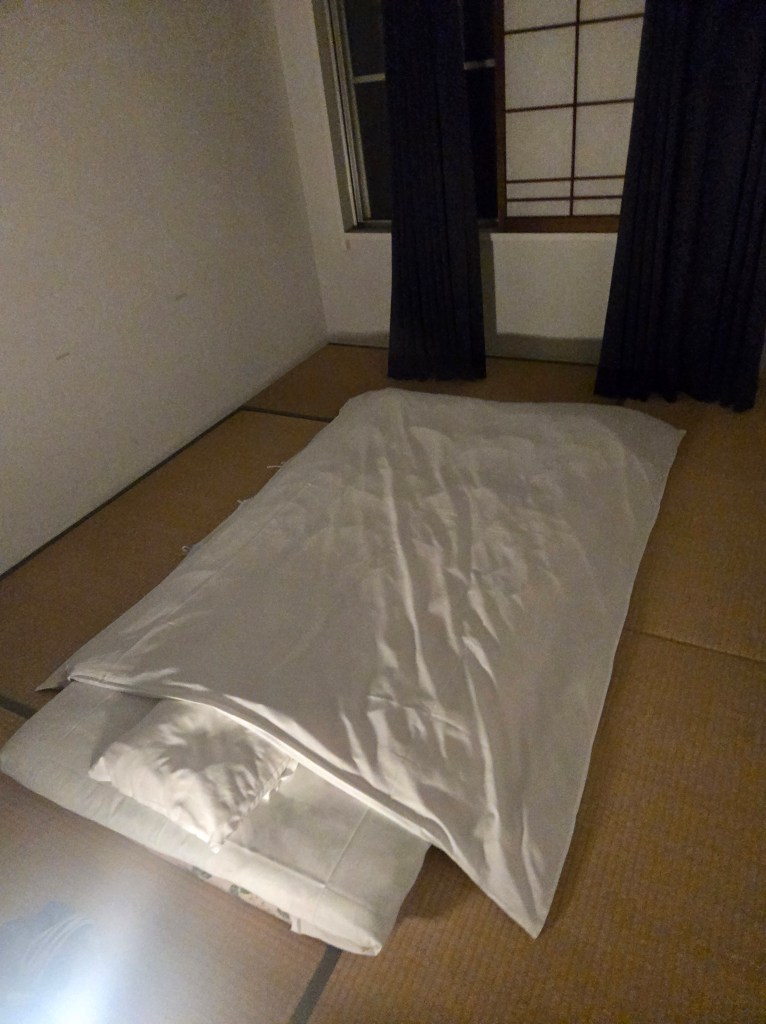
After dragging our suitcases up the stairs, a very common experience when visiting Japan with its many stairwells, we fell asleep soundly on the traditional tatami floor. In the night we heard strange noises and awoke to find the grey morning sunlight streaming into the big windows and the river filled with beautiful white geese calling to each other, explaining the occasionally nocturnal honk.
Our tour guide was a friend of mine from Boston, Yas, an Akita native, and we all set out to see the nooks and crannies of the capital city, mostly a mystery to me except for the rumors I had heard of its delicious sake and soba.
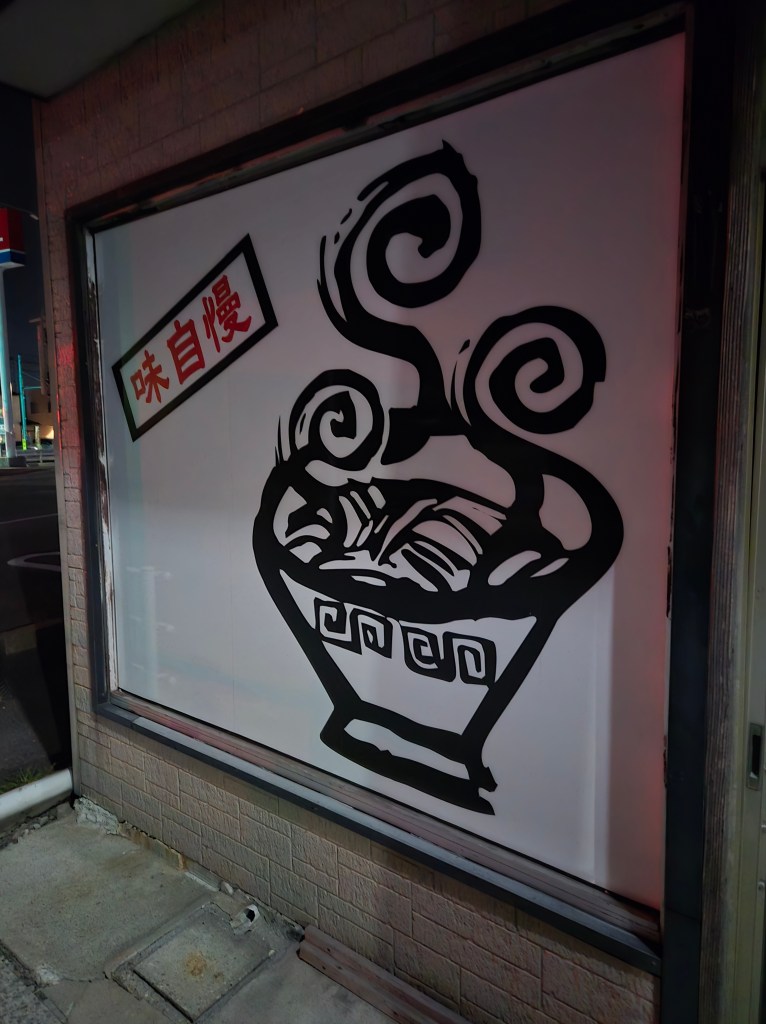
Our first stop was for nourishment. With the rain coming down hard, hot soup was needed and Yas brought us to a local noodle shop where the bowls were big and the beer was cheap.
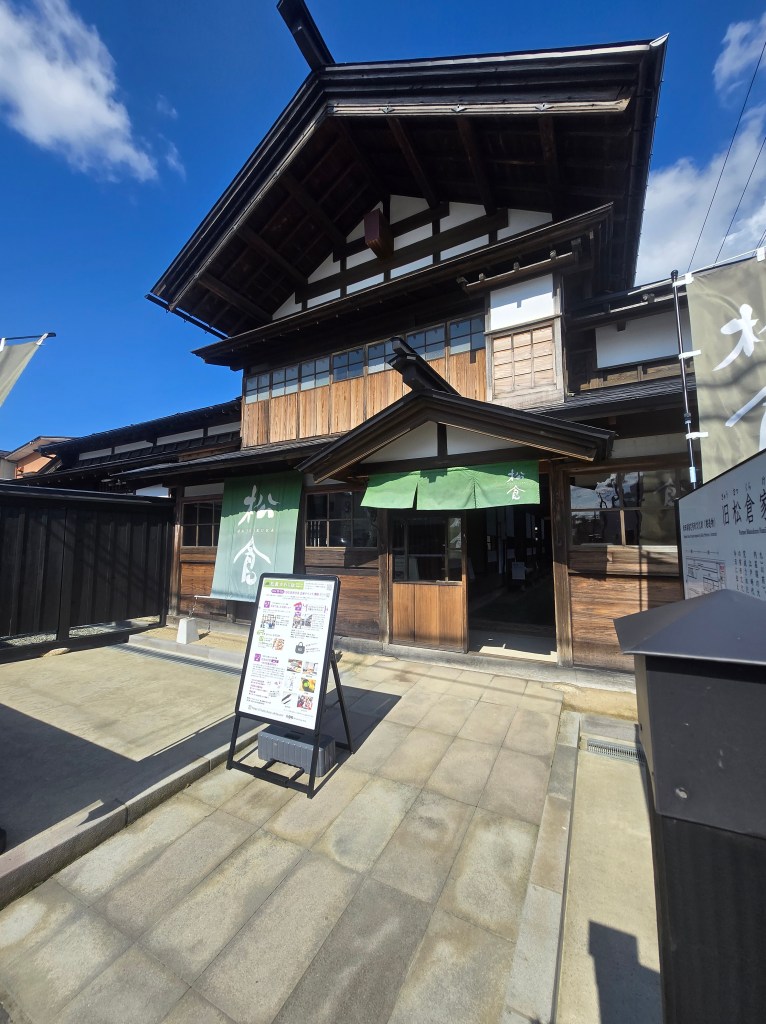
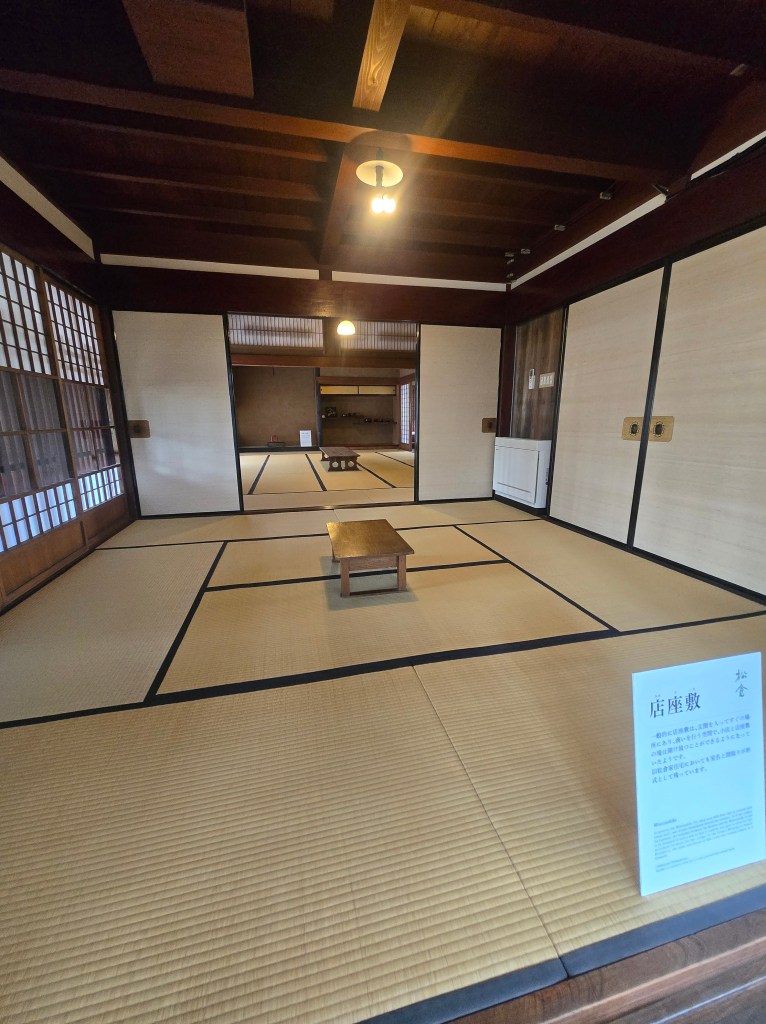
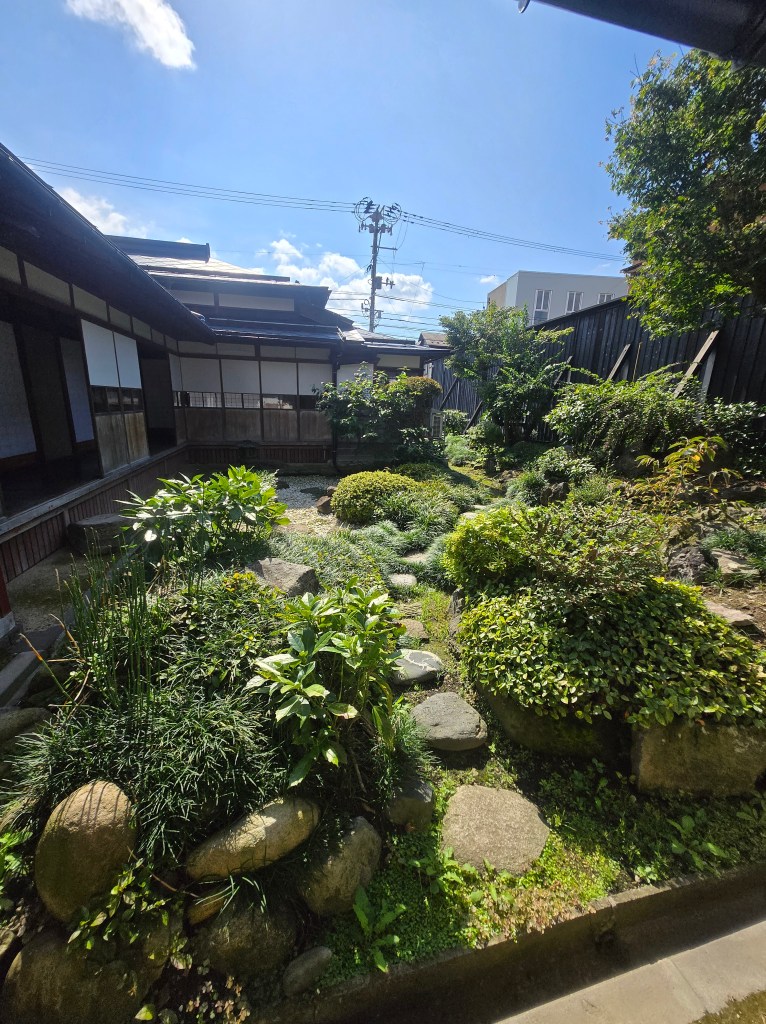
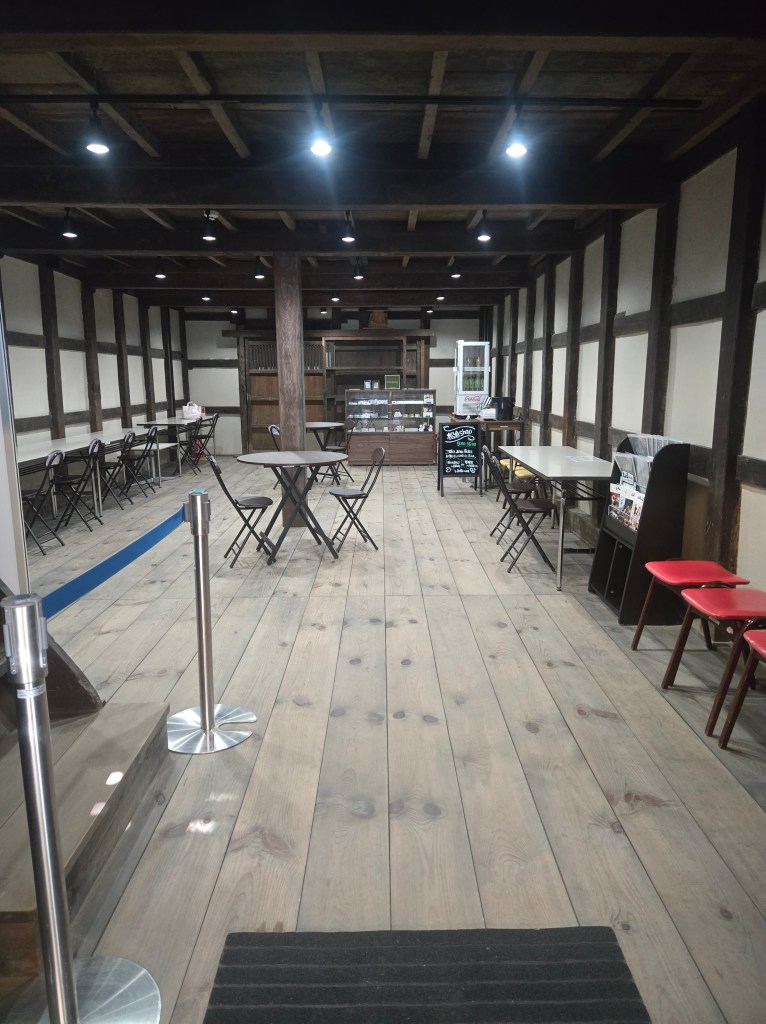
Next he brought us to a meticulously cared for Old Kaneko House where a traditional garden was kept and all the rooms were almost perfectly preserved to look as they had when they were first constructed in the Edo period, over 400 years ago. The museum worker in the house turned community center/museum informed us that the grain storage area had been furnished with a small cafe, tables, chairs and wifi to provide a snacking and studying spot for local students, and my friend Yas told me that the other traditional tatami rooms in the house were able to be rented out cheaply for a quick nap in the day. The women working there found out I was part Swedish and told me Ikea had recently sent students over to study the architecture and craftsmanship of this very house to aid in new designs. On our way out we walked down polished floors with halls lined with large beautiful calligraphy kanji art made on community days at the house. After thanking our guide and leaving, a quick walk up the street brought us to Tomo’s, Yas’s brother, office and adjacent cafe & curry shop where he masterfully brewed us a pour over to warm our bones up for more exploring.
Our appetites whet from the coffee, it was time for food and of course, to try Akita’s famous sake. Akita’s small nightlife district was lined with a few blocks clustered together with different bars serving their own special delicacies.
The first bar Yas brought us to was quiet and elegant. ANDY’s had only a few seats along the bar and 3 small tables across from it. The bartender, a proud looking older Japanese man, was shaking and stirring, his hands expertly moving on their own, most likely from years of hard studying and practice. Awards and news articles telling of the accolades and achievements the bartender had in the art of cocktail making hung on the walls and framed the rows of rare and artisanal liquors that sparkled like brown and green jewels in the dim candle light.
After a drink of hard to find Japanese whiskey to toast the start of the evening, we stepped out onto the streets hungry and full of vigor.
We hopped from one izakaya to another, talking Japanese denim, Shintoism and subjecting the poor polite waitresses of Akita to my shoddy conversational Japanese, all while leaving a devastation of wooden skewers and sake boxes in our wake until it seemed even the suited salary men, who had flooded the streets singing and howling all evening with us, were trickling towards home.
We wandered down the pavement watching bars begin to close up under the golden street lights and crowds making their way towards convenience stores, train stations and cab stands. From the windows and doorways of the restaurants and barfronts, a red face oni grimaced at me menacingly.
“And who’s that?” I asked Yas.
“Oh, that’s the mascot,” Yas explained, steering us down a sidestreet and towards yet another bar. “His name is Namahage, basically ‘Big Red Bald Guy,’ and they say he came from the first white people that came over and visited Akita, probably really sunburnt from sailing.” He explained, grinning at me.
The people of Akita treated me like anything but a devil however; the whole trip they patiently smiled as I fumbled my way through menu orders, and in one particular noodle shop, I was warmly embraced by two giggling elderly women who hosted and cooked for me and were delighted to find a foreigner learning their language & wanting to try their recommendations. The two of them wrapped their arms around Cuong & I, showing us Google translations & making us promise to return.
The bars were beginning to be less frequent and Yas explained to me we were on our way to our final destination. The last stop on our tour was to partake in the famous soba of Akita.
The last restaurant, Tachisoba, was inside of a tall skinny building, wedged in between a busy main street and the Asahi river bank. Bustling and busy even at this late hour, Tachisoba is known to cater to late night crowds in need of filling meals before stumbling home for the evening. The door and windows were filled with warm light, steam escaped from the kitchen, and laughter of happy drunk patrons who occasionally stumbled back out onto the sidewalk outside. We squeezed our way in and as if by magic, or a drunk fuzzy passage of time, the soba noodles appeared before us, more hearty in color than the ramen-like ones we had earlier. I slurped them down and my mouth exploded with a beefy flavor. A perfect buckwheat to flour ratio, allowing for the noodle to have the rich mouth feel of the buckwheat to hold the flavor of the broth but all the smooth flexibility of a noodle to allow them to be greedily and quickly slurped down. I soon found our table silent. For the first time that evening our conversation had ceased, none of us were raising a drink to our lips and we all had seemed to begin slurping these noodles into our mouths as fast as we could.
After another beer and some fried appetizers, it was time to stumble home and hope the Pocari Sweat would be good enough to cure our hangovers in the morning.
Nursing an impressive hangover, I pushed myself out of bed and managed to get myself downtown and to the Akita Art Museum and their incredible exhibit of National Geographic photography.
A particular collection in the museum I was astounded by, were the works of Léonard Tsuguharu Foujita and his larger than life mural “The Events Of Akita,” which swallows you in and puts you right into the center of the snow festivals Akita is well known for.
Small, off the beaten path and rarely heard of as a tourist destination, Akita charmed me to my bones, offering me all the many delightful things I’ve grown to love about Japan without all the hustle and bustle of braving the streets of shibuya to catch a train or waiting in giant cues for food in Dontonbori, all with the added warmness of the embrace of a friendly community people excited to show new comers the unique and beautiful things that make their home special. Now whenever I feel a cold winter rain biting at my cheeks, my belly rumbles for Akita’s warm buckwheat soba and the jolly embraces that follow for desert.
Where’s your go to soba spot? Have you ever been to Akita? Tell me in the comments below!


 Planetary Anecdotes
Leave a comment