

The one of the nerdier of my hobbies is museum hopping. I don’t really care if it’s big, small, bad, or potentially boring—if you ask me if I’d like to join you to go see a museum, my answer is most likely yes.
I’ve been to all kinds of museums– Ones that are large and full of famous paintings, museums that have been as big as the inside of a payphone booth will allow, museums about everything from vodka, ships and pensises, museums that are outside., ones that claim to only curate the walls with the worst art they could find– but my favorite kinds are the ones where you can touch and play. I delight in the museums that soften the longing I feel when passing by fast food joints, knowing I have long since passed the height standard and socially acceptable age to explore the colorful tunnels and slides. WNDR piqued my interest in this area.
It was early july in Boston, which is well known for its four-season days. The day had started bleak and chill, moved to slick, sweaty and bright, and now, despite the sunny rays, the forecast threatened heavy downpours and potential thunderstorms in the afternoon. My friend Jess and I had scrapped our plans for a beach adventure, and I had proposed the air-conditioned and covered option of taking a visit to WNDR Museum.
With three locations in total, the Boston location has been open for about a year, I believe, and tickets are available online for entry at certain times of the day for about $32 before tax. The website doesn’t specify a time limit on your stay, but it does say the average time it takes to get through all exhibits is about 45 minutes.
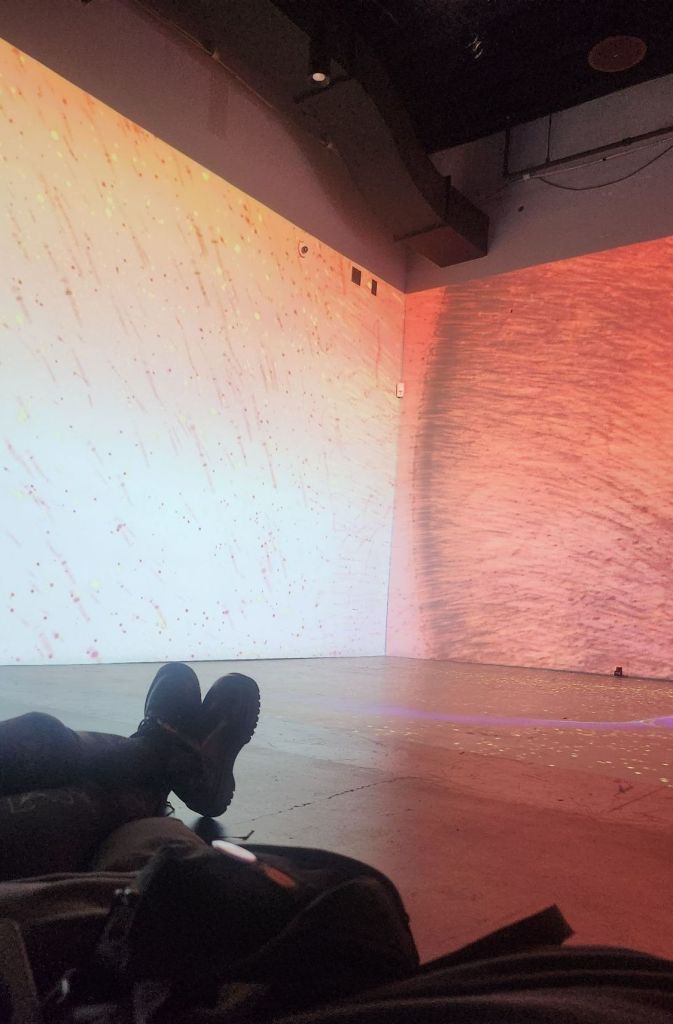
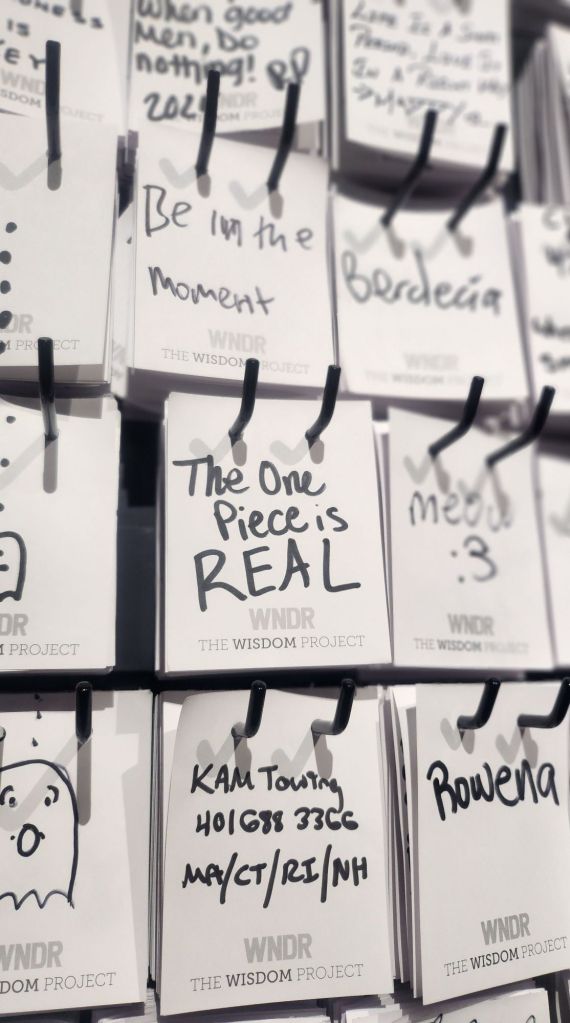
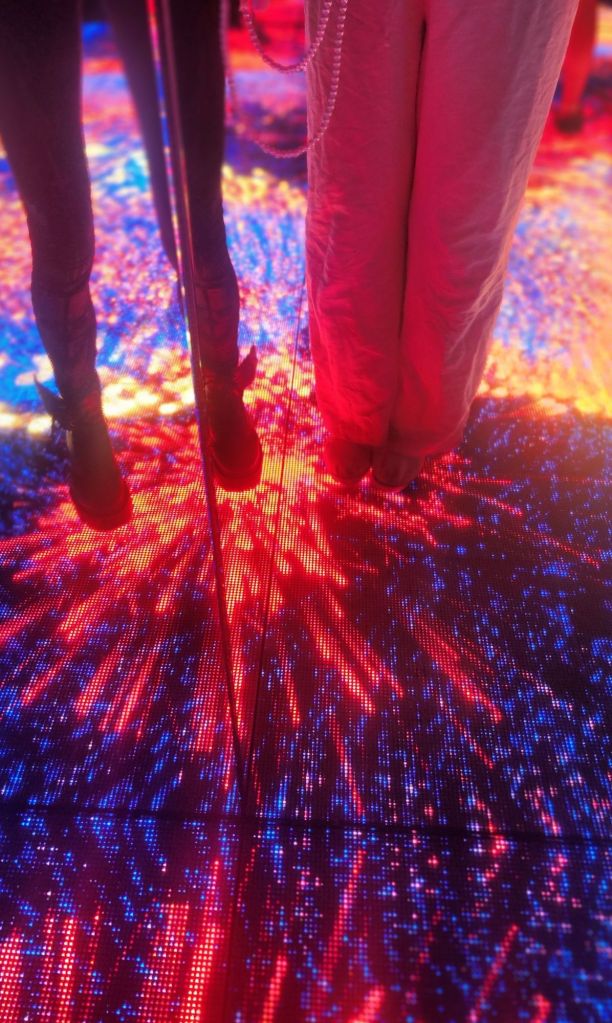
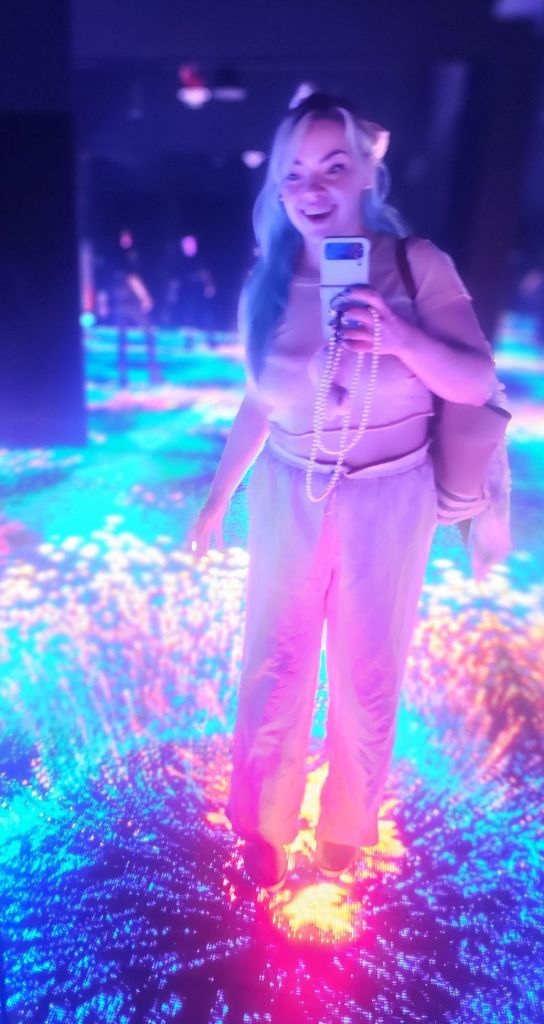
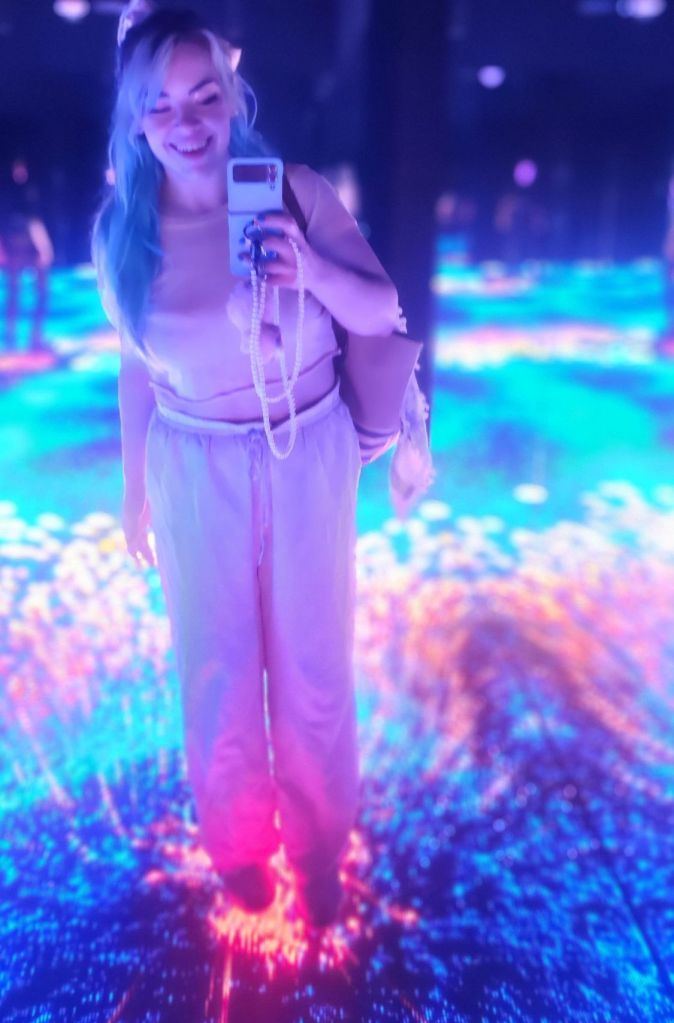
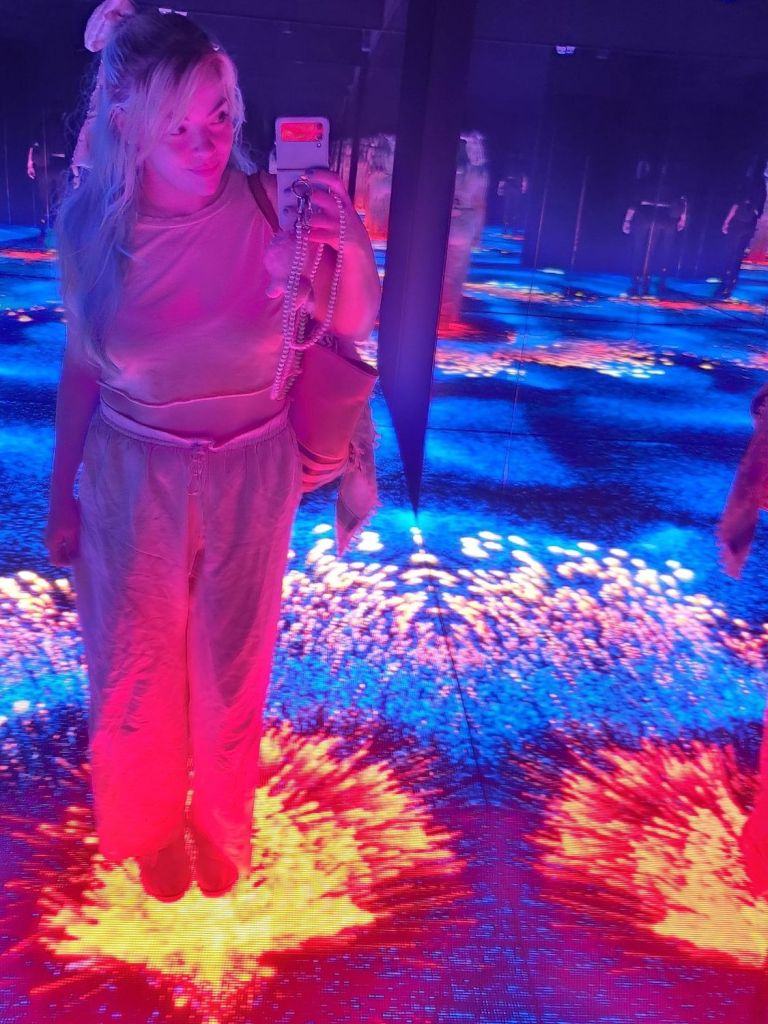
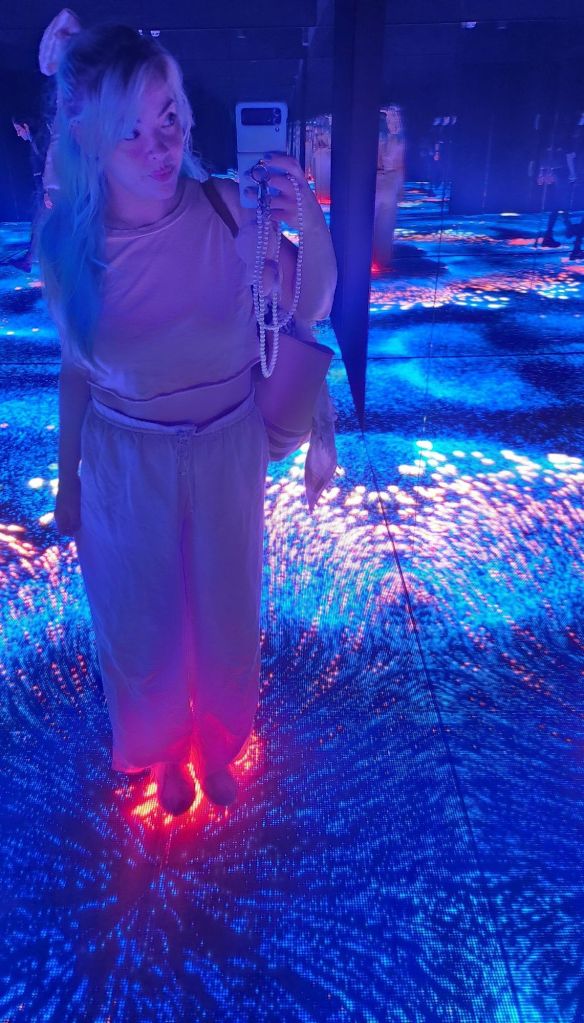
My favorite exhibits were the first one—a forest of telephone wires where you could pick up a listening device and eavesdrop on their frequencies; a refashioned Zoltar machine that dispensed nostalgia-inducing paper fortunes; and two rooms with interactive light-up floors—one made of mirrors and an LED-tiled dance floor, and another with projections that flowed with your footsteps and large lounging bean bags.
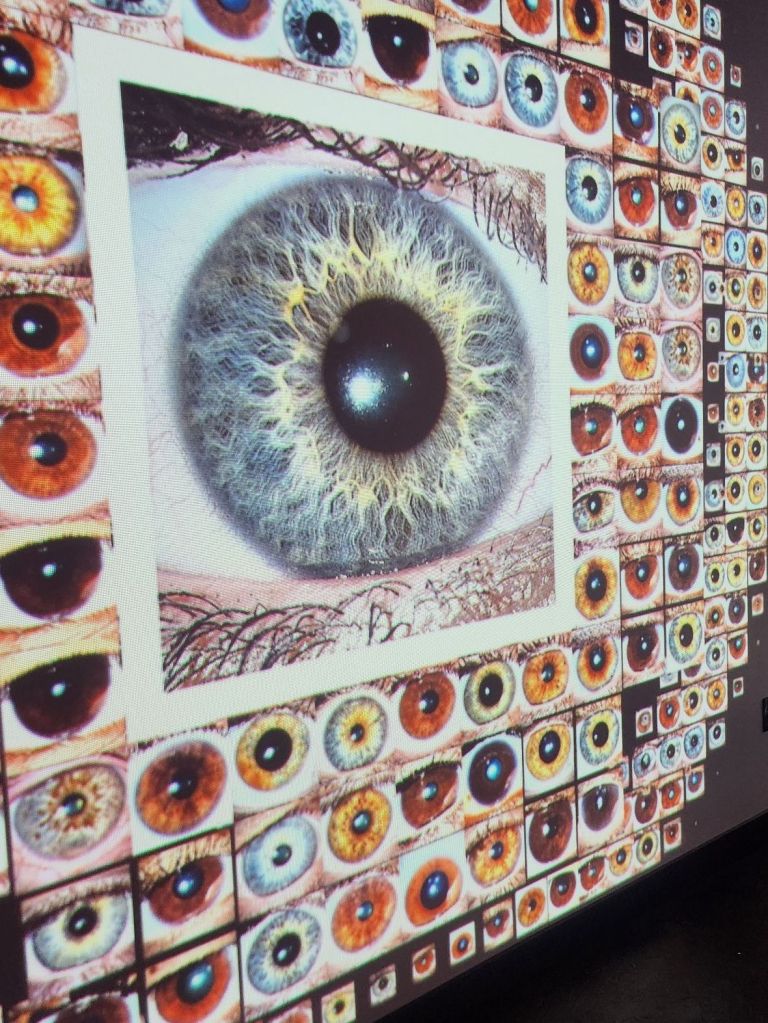
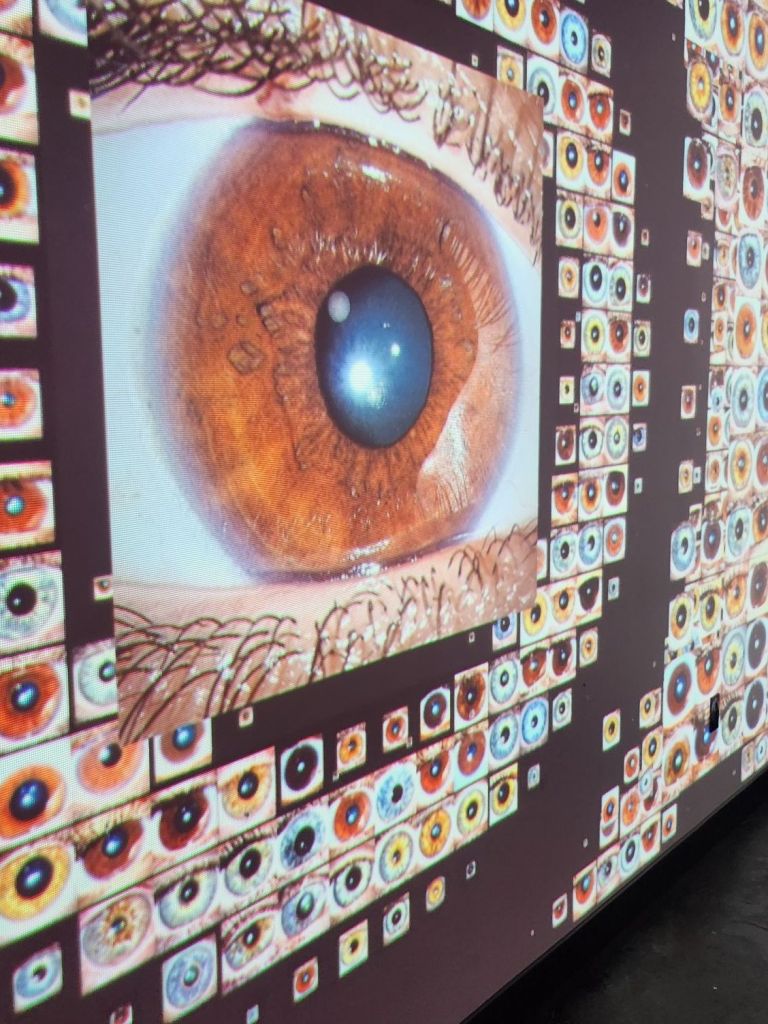
Many of the exhibits had things to touch and interact with, but to a very limited extent, and most of the time it was pretty hard to move around due to large groups of people. One exhibit I wasn’t too impressed with was just a large generator where you put in some prompts and it displayed AI art. Another neat but unimpressive area was where guests lined up to have their eyes photographed and projected onto the wall.
Despite my efforts to read the artists’ statements thoroughly, I found the curation of exhibits a little disjointed overall. I’m sure this wasn’t helped by the cramped layout of the space. I won’t fault WNDR too much for the small venue, as Boston is a very expensive and old place to rent space, but the tight corners and constant queues for the one ‘photo-worthy’ section or the single interactive part of the exhibit detracted from the experience, giving it more of an ‘Instagram place’ vibe than a place for art and play.
One thing I absolutely loved was a section to get a little portrait drawn, but unfortunately, you needed to pay for the portrait. With ticket prices already nearly $40 and the exhibit being so small, I was immediately discouraged from purchasing a portrait. I would have been more willing if it had been included in the ticket price and I could choose to tip the artist.
One last exhibit that I have to say I was majorly disappointed in was also one of the main reasons I was eager to shell out the money to see this museum: Yayoi Kusama’s Infinity room.
I’ve never really been sold on Kusama. I think her story is tragic, and her art is indeed intense sometimes, but I wasn’t sure if her work was deserving of all the hype. The photos advertising its residence at WNDR had been all over Instagram. The piece was a mirrored room filled with mirror statues that Kusama had been inspired to make during her mental health struggles, doctors’ visits, and times institutionalized.
When I arrived at the exhibit, we were educated on its importance, value, and fragility, and informed of the rules for viewing it. We had to leave our bags, wear covers over our feet, go inside in groups of about 4-5, touch nothing, and leave when the buzzer went off in exactly 1 minute.
I like to think I can think pretty quickly, but I really didn’t think 1 minute was quite enough time to ponder Infinity. Other than this, I believed all the rules were fair, and my complaints didn’t start until I actually saw the piece itself. It was obvious the photos from the ads had a filter over them or had been taken when the piece was very new and the lights inside were very bright.
When I stepped inside, I regretted knowing that Kusama had found inspiration for this piece during her time in a hospital because it very much reminded me of the sickly yellow glow of a waiting room. The mirror sculptures and statues decorating the room were covered in a thin coat of dust, making the yellow light reflect back hazy at our reflections, our eyes darting, taking in as much as we could in our 60 seconds of infinity.
When the buzzer went off and we were ushered out, I was almost relieved, sensitive to the buzzing, annoying lights and a little queasy, remembering my own times in waiting rooms.
Seeing it this way, I’d have to say I’m not too impressed. However, I’m actually not sure what Kusama had intended for this piece originally—whether she did want the blueish lights like in the ad photo or if she did want the viewer to feel uncomfortable at the thought of infinity. I’m sure the thin layer of dust over everything is most likely due to the fact that the piece itself might be too delicate to clean often, but it gave the piece a very eerie Twin Peaks, wandering-into-the-back-rooms feeling.
While I don’t think art necessarily has to make one feel good, the infinity room felt really unpleasant. This, coupled with the poor maintenance of the piece, the jarring time limit, and some anti-Black comments the artist had made in the past, makes me think I wouldn’t go out of my way again to see a Kusama piece in the future, and I think there are probably other artists out there worthy of more hype.
My overall review of WNDR is that it’s alright. I think $32 was expensive for the experience but unfortunately not shocking in downtown Boston. I would have loved to see more exhibits and a more interactive experience that utilized the space better and encouraged more lingering, especially since we were already standing in lines so often, just starting at the bones and scaffolding of the venue. Still, I do think it’s a fun idea for an afternoon of unpredictable weather and something different to do in Boston. I really hope more places like this start to open up around Boston, encouraging more play and creativity.





 Planetary Anecdotes
Leave a comment